Introduction
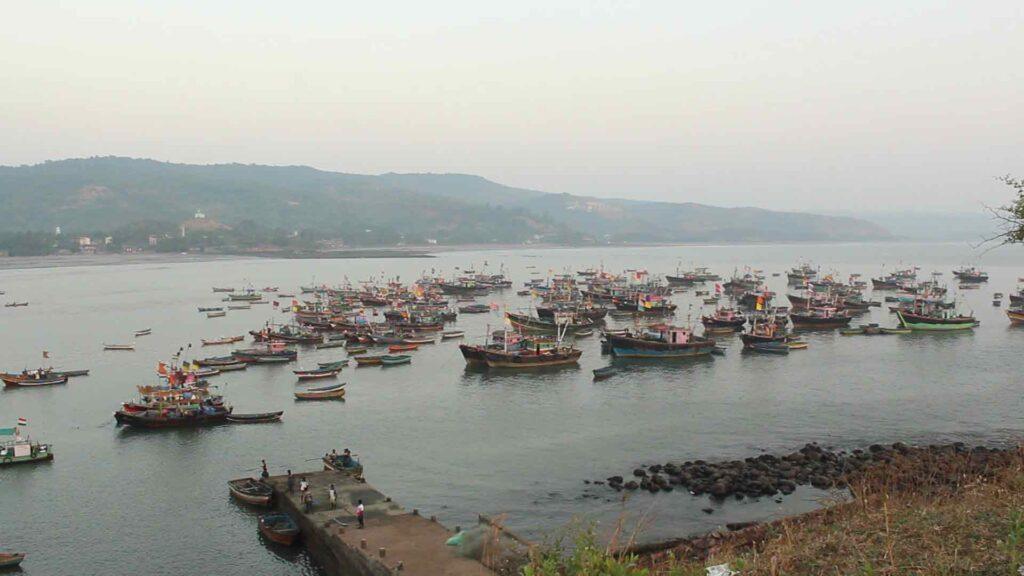
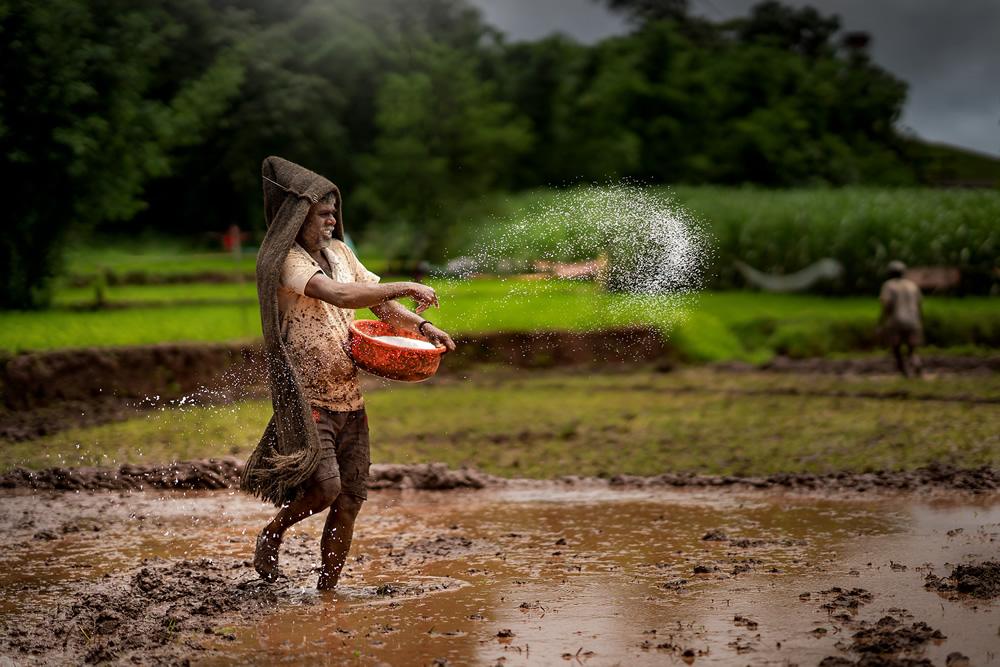
The Konkan coast of western India—stretching across Maharashtra’s districts such as Palghar, Raigad, Ratnagiri and Sindhudurg—is home to a rich fishing tradition. For generations, fisherfolk communities have lived in symbiosis with the sea. Their lives, boats, and markets reflect centuries of tradition, natural bounty and mounting challenges.
Who Are the Fisherfolk of Konkan?
- The Koli community is one of the principal fishing communities in Konkan. They often fish along the shoreline and in backwaters and their identity is deeply tied to the sea.
- Others include the Kharvi, Gaabit/Gabit, Bhoi, etc. These communities differ somewhat in culture, language (Konkani, Marathi), social organisation, and fishing practices.
Daily Life on Land and Sea
Livelihood & Work
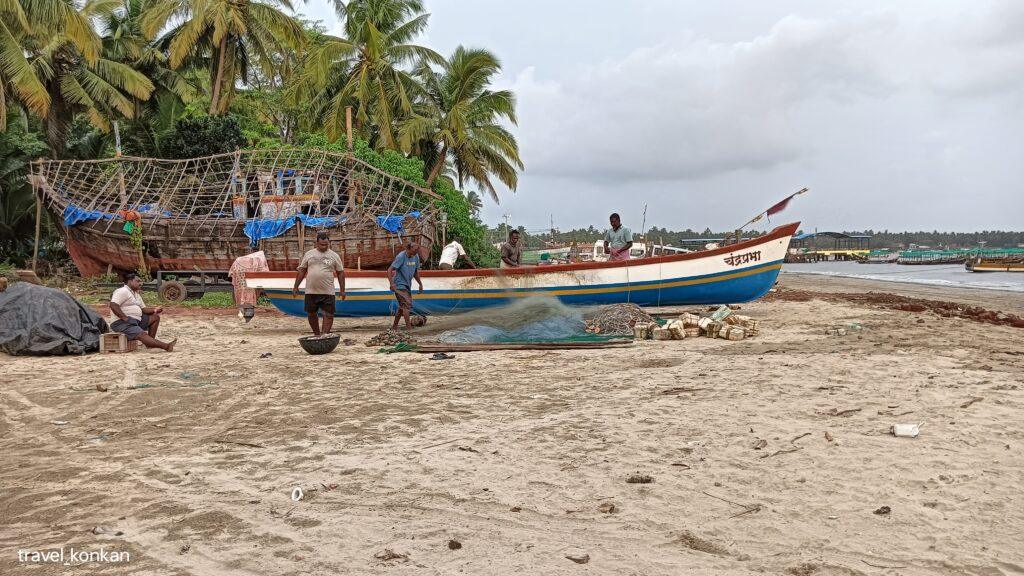
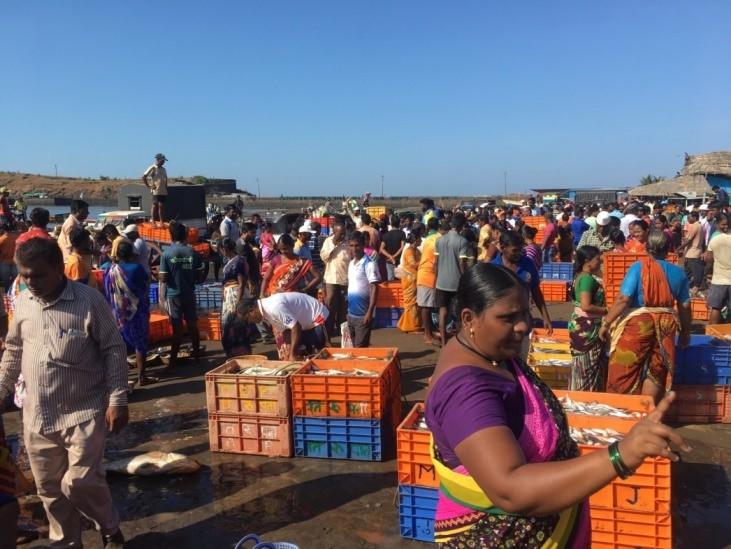
- Men principally go out fishing (deep sea or coastal), maintaining nets, boats, dealing with weather challenges. Women often handle the subsequent processes: sorting fish, transporting to markets, selling or processing.
- Rising sea levels, marine pollution, unpredictable weather are some of the threats these communities are facing.
Culture & Traditions
- Fishing calendars are influenced by monsoons, festivals, religious practices. There are off‑seasons (e.g. fishing bans during breeding periods), local rituals, and community norms.
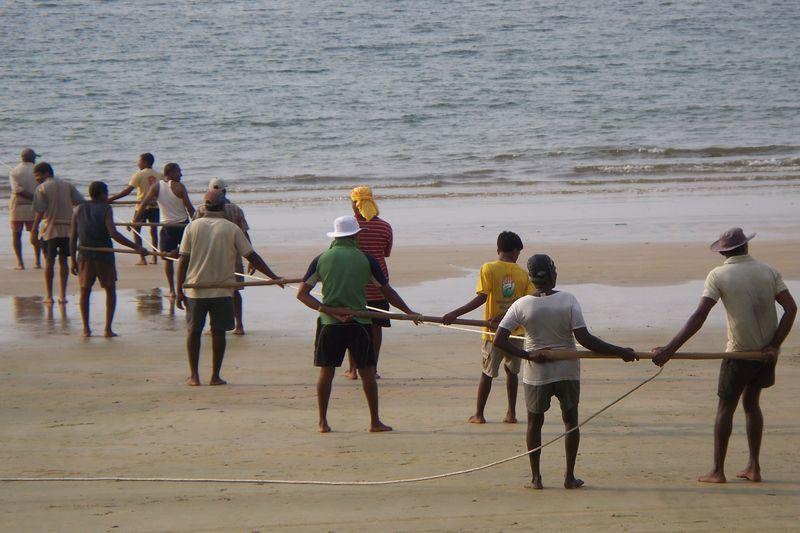
- Traditional knowledge such as Rapan fishing plays a significant role. In “Rapan,” a large net is used near the shore; many people work together manually. The boats used are made from woods like undal, moy, mango. No engines in some traditional methods.
Boats & Fishing Methods
Types of Boats
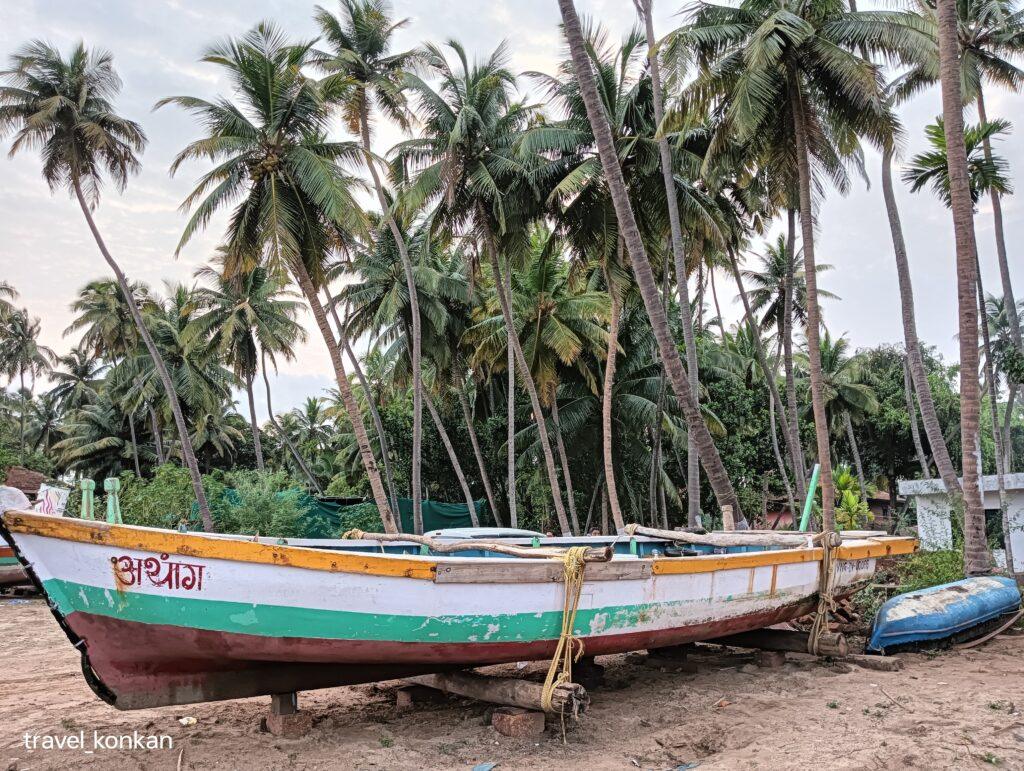
- Traditional wooden boats made from local woods (Undal, Moy, Mango). These woods have suitable properties (flexibility, durability) for local sea conditions.
- Modern boats/trawlers with motors are increasingly common, especially for going further out and catching larger, deep‑sea fish. However, fuel costs and regulations are making this difficult.
Fishing Techniques
- Rapan: As above, manual net‑casting near shore, many people pulling back nets. Suited to certain seasons, when sea conditions allow.
- Deep‑sea trawling, purse seine nets, etc: used by bigger boats. These are more efficient but also bring challenges for sustainability and for small fisherfolk.
Fish Markets & Trade
Local Selling
- On arrival, fish are sorted by size, quality. Fisherwomen are heavily involved in this sorting and in local market sales.
- Fish is sold fresh in local markets; smaller fisheries serve nearby villages and towns.
Fish Auctions & Larger Markets
- Places like Harnai have daily auctions where fish from multiple boats are bought and sold. The process includes coordination: boats, smaller crafts, carts (even bullock carts in some cases) take fish from boats to buyers.
- Markets in cities like Mumbai (for example, the Sassoon Dock, or markets that fisherfolk supply) are important hubs. Fisherfolk often depend on selling to restaurants, exporters, wholesale traders.
Economics & Exports
- According to Maharashtra government stats: Konkan region has ~720 km coastline; the marine fish production in the state was about 4.33 lakh metric tonnes in 2021‑22; exports were ~1.86 lakh metric tonnes worth about ₹5,878 crore.
- The proportion of fishermen families: tens of thousands in Konkan. Women in fisheries are major actors in marketing, sorting, transporting.
Challenges & Threats
- Environmental Change
Sea pollution, climate change, unpredictable weather makes fishing dangerous and less productive. - Regulatory & Licensing Hurdles
Restrictions on nets (like ban on certain types e.g. Purse Seine nets within 12 nautical miles), licensing delays or refusals. - Economic Pressures
Rising costs (fuel, maintenance), unstable incomes, lack of capital, competition from mechanized fleets. Also, when markets are disrupted (e.g. during the COVID lockdowns), very severe impact. - Social Impacts
Migration of younger generation, issues for fisherwomen (income unpredictability, workload), education disruption.
Possible Solutions & Hopeful Pathways
- Recognition & Protection of Traditional Practices such as Rapan; promoting sustainable fishing zones; enforcing existing regulations fairly.
- Supporting Women in fisheries: better infrastructure, market access, credit, cold chain facilities.
- Improved Infrastructure: landing centres, ice storage, roads; improved market access.
- Policy Support: fair licensing, subsidies for fuel/equipment (especially for small scale fishers), enforcement against illegal or harmful practices (e.g. light‑fishing).
- Community Participation & Conservation: involving local fisherfolk in conservation of breeding grounds, mangroves, backwaters, etc.
Conclusion
The fisherfolk of Konkan are guardians of a way of life that has endured for centuries. Their traditional boats, nets, markets, and knowledge weave together culture, community and sustenance. Yet they face an uncertain future as climatic, economic and regulatory pressures increase. Preserving their livelihoods doesn’t only mean protecting a cultural heritage—it also means ensuring food security, ecological balance, and social justice.