
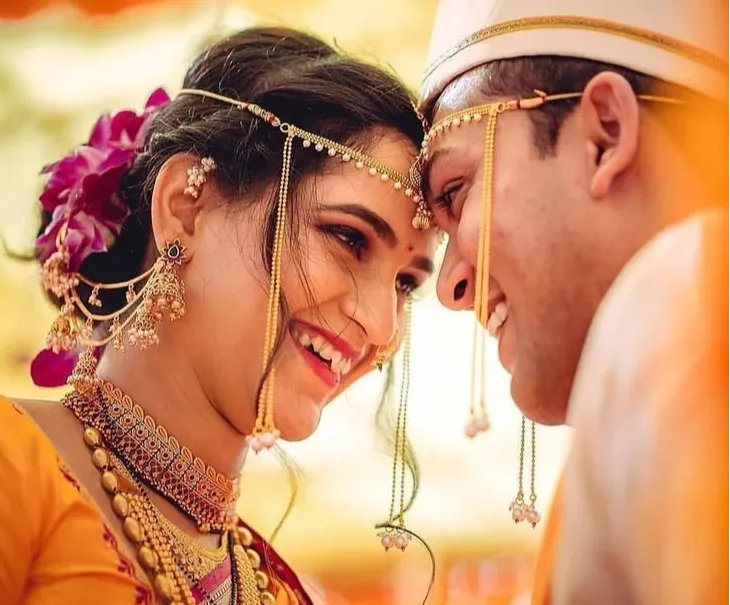
Discover the Konkan coast’s vibrant wedding customs, ancient rituals, and folk traditions that bring Maharashtra’s coastal heritage to life. Explore the local lore, beliefs, and timeless celebrations of Konkan.
Introduction: The Living Heritage of Konkan
The Konkan region of Maharashtra is more than just a scenic coastline — it’s a vibrant cultural corridor where the sea meets spirituality. Stretching from Raigad to Sindhudurg, Konkan’s fishing villages, temples, and forts echo with centuries of folklore, traditions, and rituals that make the region truly unique.
While the world rushes toward modernity, the people of Konkan have preserved their customs with quiet pride — especially visible in their wedding ceremonies, folk festivals, and seasonal rituals that blend ancient Hindu beliefs with the rhythms of coastal life.
Fun fact: Konkan’s name comes from the Sanskrit “Kon” (corner) and “Kana” (piece of earth) — meaning the corner of the earth specially blessed by the Gods.
💫 1. Konkan Weddings: Where Simplicity Meets Sacred Splendor

Konkan weddings are a mesmerizing blend of ritual purity, coastal symbolism, and community celebration.
💍 Pre-Wedding Rituals
- Sakhar Puda (Engagement Ceremony)
Just like in other Maharashtrian traditions, the groom’s family presents sakhar puda — a packet of sugar — to the bride, symbolizing a sweet beginning. The engagement marks the formal announcement of the wedding. - Kelvan (Feast of Blessings)
Before the wedding, both families host a feast inviting close relatives and the village deity (gramadevata). Traditional Konkan dishes like ukadiche modak, solkadhi, and fish curry rice are served. - Haldi Chadavne (Turmeric Ceremony)
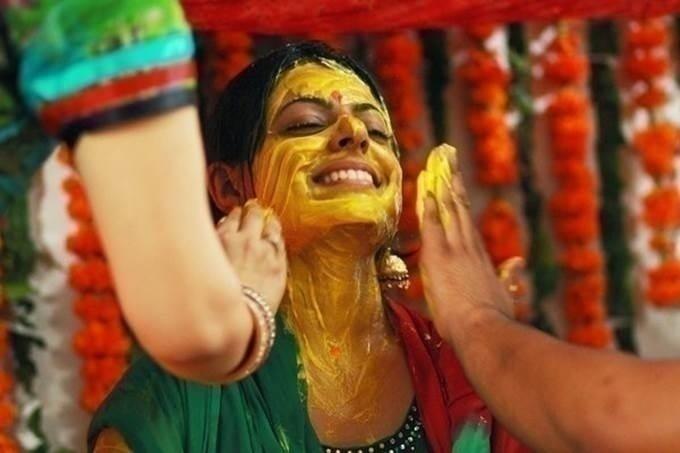
The bride and groom are anointed with turmeric paste — believed to purify and bring glow. In Konkan homes, this ritual often happens near the tulsi vrindavan (holy basil plant), with women singing local ovya (folk verses).
🌸 2. Wedding Day Magic: Rituals That Reflect the Sea’s Spirit
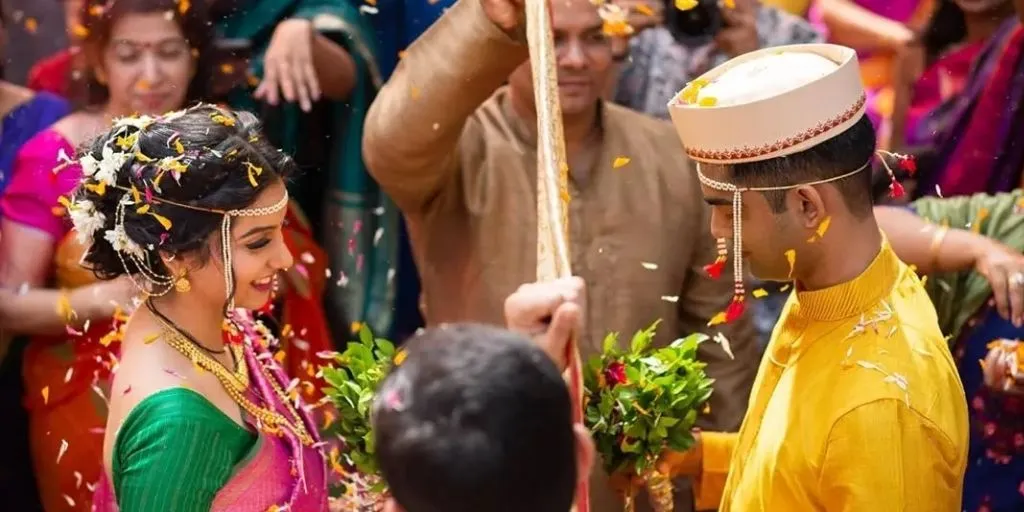
A typical Konkani wedding blends deep-rooted symbolism with natural coastal influences.
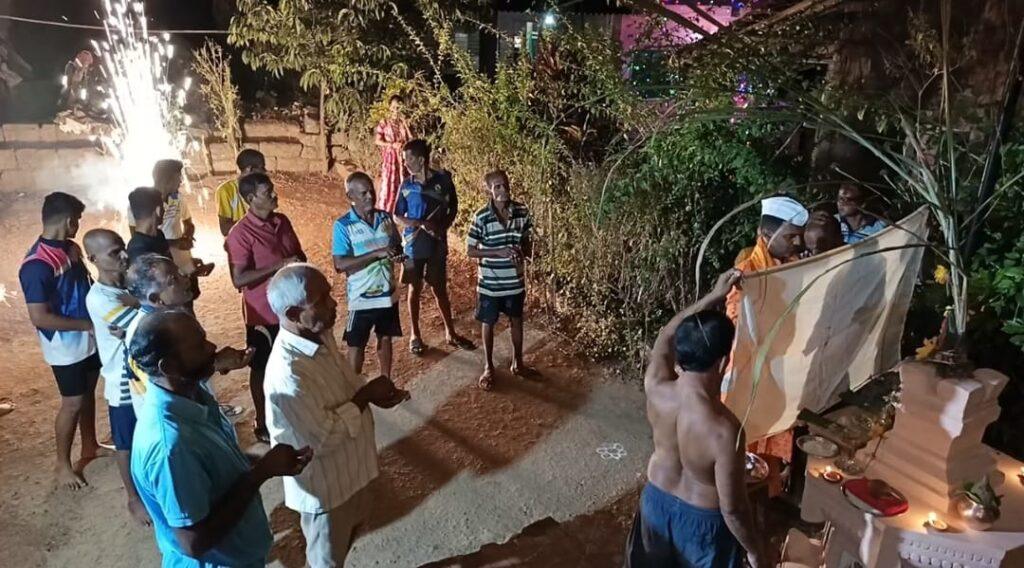
- Antarpat & Mangalashtak: A silk cloth (antarpat) separates the bride and groom until the sacred mangalashtak mantras are chanted. As the final verse echoes, the cloth is lowered, and the couple exchanges garlands — marking their union.
- Mangalsutra & Kanyadan: The groom ties the mangalsutra, usually featuring black beads and gold, believed to protect the bride from negative energies.
- Tying of the Mundavalya: Both bride and groom wear strings of pearls or flowers across their foreheads — unique to the Konkan and Goa belt. It symbolizes equality and readiness for married life.
- Saptapadi (Seven Steps): The couple walks seven sacred steps around the fire, each vow representing a pillar of married life — friendship, loyalty, prosperity, and devotion.
🪔 3. Post-Wedding Customs: The Joy of Togetherness
Once the rituals conclude, the celebration moves into warm, family-oriented customs:
- Grihapravesh: The bride enters her new home, gently knocking over a pot of rice — symbolizing prosperity entering the household.
- Reception Feast: The menu usually celebrates coastal cuisine — Kombdi Vade, Bangda Fry, Solkadhi, Rice Bhakri, and traditional sweets like Puran Poli.
- Varat Procession: The bride’s farewell is marked by the varat, a procession often accompanied by lezim music and folk drumming.
These customs embody Konkan’s ethos — simplicity, family, and devotion to nature and tradition.
🐚 4. Folk Traditions & Local Lore: Myths that Shape the Coast
Konkan’s culture is deeply spiritual and intertwined with the sea. Its people — whether Kolis (fisherfolk), Bhandaris, or Marathas — share stories passed down through generations.
⚡ Legends and Local Deities
- Parshuram’s Blessing: According to legend, Lord Parshuram shot an arrow into the sea, commanding it to retreat and create the Konkan coast. This myth is central to Konkan identity, and every village celebrates Parshuram Jayanti in gratitude.
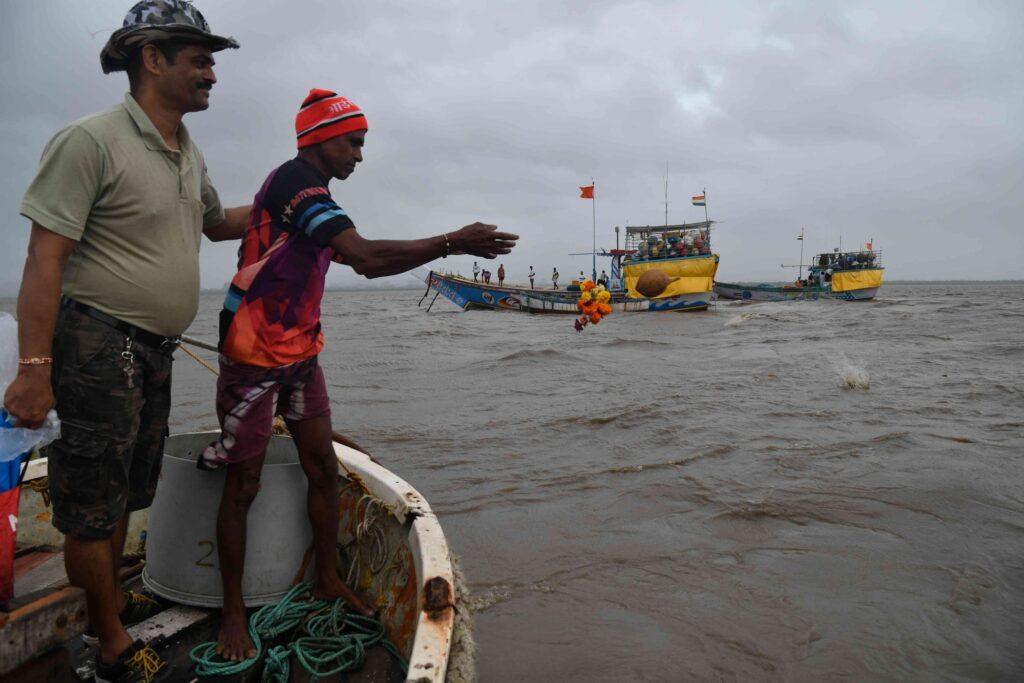
- Sea Goddess & Local Deities: Coastal villages revere goddesses like Sateri Devi and Khadkeshwari, protectors of the sea and community. Fishermen often offer coconuts before their first catch of the season.
🎭 Folk Festivals & Ritual Art
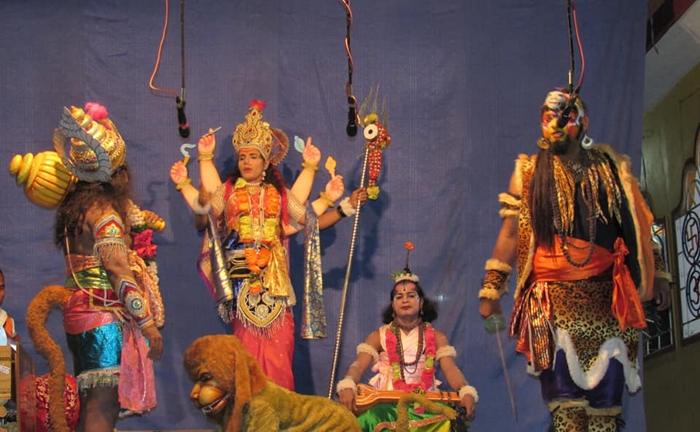
- Dahikala & Shimgotsav: These Holi-time festivals mix color, drama, and mythological performances. Villagers enact stories of good triumphing over evil, similar to Ramleela in the north.
- Dashavtar Natak: A famous Konkan folk theatre, this open-air performance depicts the ten incarnations of Lord Vishnu, blending acting, dance, and live music.
🌾 5. Seasonal Rituals & Coastal Beliefs
The Konkan calendar revolves around nature — particularly the monsoon and fishing seasons.
- Narali Purnima (Coconut Day): Celebrated in August, fishermen offer coconuts to the sea, seeking blessings for safe voyages before resuming fishing post-monsoon.
- Gauri-Ganpati Festival: In the Konkan region, the arrival of Ganpati Bappa is accompanied by Gauri Pujan — women decorate homes with banana leaves and coconut garlands, celebrating the goddess of prosperity.
- Tulsi Vivah: Symbolic marriage of the Tulsi plant with Lord Vishnu marks the start of the Hindu wedding season — a much-loved event across Konkan households.
Each ritual mirrors the people’s deep respect for nature, cycles of harvest, and balance of faith with everyday life.
🧵 6. Traditional Attire, Music & Local Expressions
Alt tag: Konkani bride in traditional Nauvari saree and groom in dhoti-kurta during wedding ceremony
The coastal humidity has shaped the Konkan wardrobe — practical yet elegant.
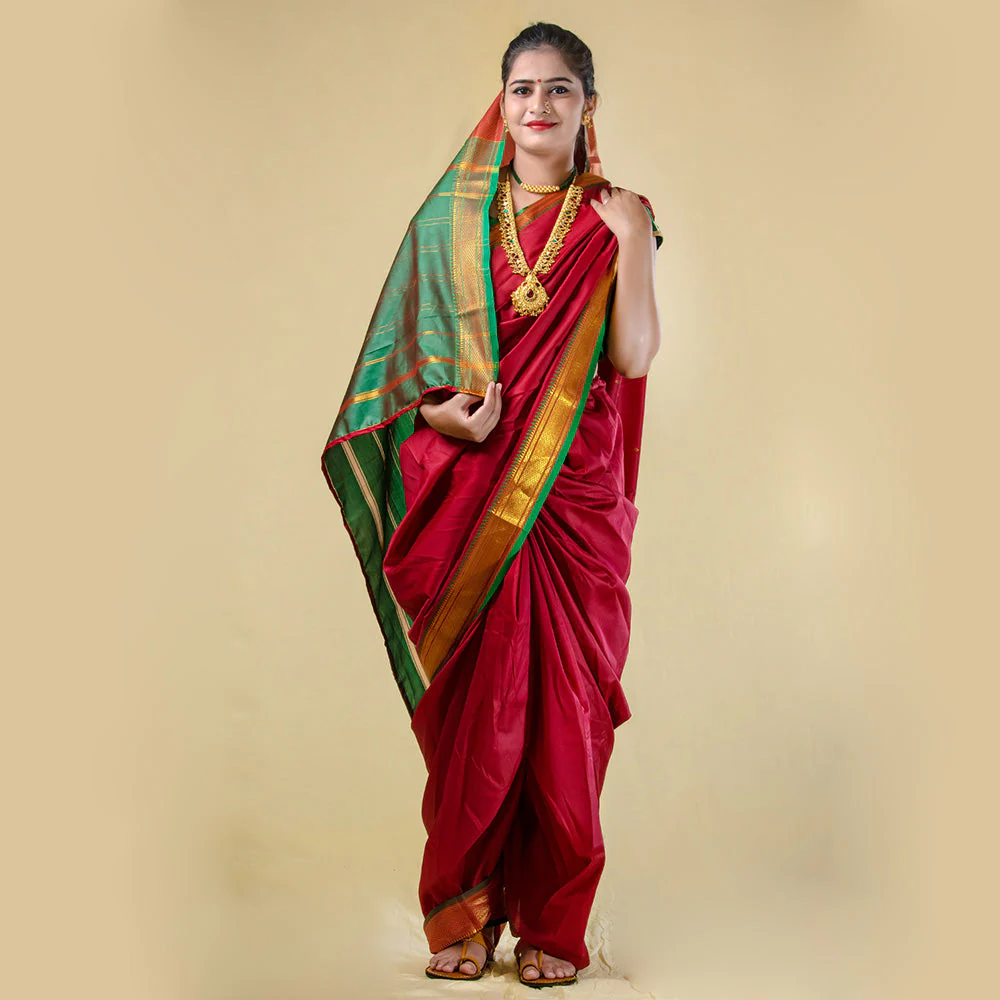
- Women wear the Nauvari saree (nine-yard drape) with bright borders, adorned with nath (nose ring), mangalsutra, and green glass bangles.
- Men wear dhoti, kurta, and pheta (turban), often white or saffron.
- Weddings feature traditional instruments like lezim, dhol, and tutari (trumpet), with folk songs narrating local legends and blessings for the couple.
🌅 7. Preserving Konkan’s Cultural Soul
Today, while modern weddings are adopting new trends, many Konkan families still perform rituals the old way, often in ancestral homes surrounded by coconut groves. NGOs and heritage groups in Ratnagiri and Sindhudurg are now documenting folk songs, oral histories, and traditional wedding chants to preserve this priceless heritage.
Visitors who travel to Konkan not only witness these customs but often become part of them — as guests, photographers, or cultural enthusiasts drawn into the warmth of coastal hospitality.
“Konkan weddings are not about grandeur; they’re about grace,” says a local priest from Dapoli. “Every chant, every flower, every coconut offering carries the blessings of generations.”
🪔 Conclusion: A Coast Where Culture Breathes
The Konkan region of Maharashtra remains a living museum of tradition — a place where weddings are festivals of nature, and rituals are prayers whispered to the sea.
From the fragrance of haldi ceremonies to the echo of Dashavtar Nataks, Konkan’s customs remind us that culture isn’t a relic — it’s a rhythm still alive in the hearts of its people.

